
Results Discussed and New Goals Set for Cooperation under the DARYA Project
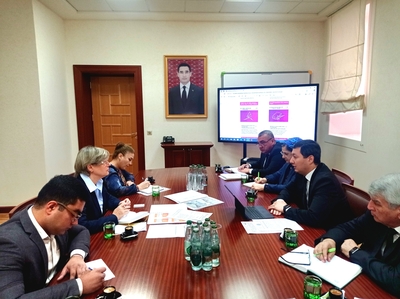
November 20, 2024 — A meeting between Deputy Minister of Education Azat Ataev and Christina Hemsheyer, Coordinator for Central Asia at the European Training Foundation (ETF), took place at the Ministry of Education of Turkmenistan. The meeting focused on reviewing achievements and discussing future cooperation under the DARYA Project. This EU-supported initiative aims to empower youth in Central Asia by developing essential skills and enhancing the vocational education system.
During the meeting, Azat Ataev emphasized the importance of collaboration within the DARYA Project and praised Turkmenistan's accomplishments across the project’s three main modules:
Module 1: Development of Future-Oriented Skills — aims to improve data collection and analysis on educational needs, enabling more precise forecasting and planning of skill development required for the economy.
Module 2: Flexible and Transparent Approaches to Qualifications — focuses on creating flexible qualification structures that recognize diverse learning paths, ensure equal opportunities for all, and facilitate workforce mobility.
Module 3: Flexible and Inclusive Teaching and Learning Approaches — seeks to introduce modern teaching methods that emphasize key competencies while aligning with labor market needs.
Turkmenistan actively participates in the DARYA Project, demonstrating a commitment to modernizing its vocational education system and preparing highly skilled specialists. Under Module 3, Turkmenistan has adopted the SCAFFOLD methodology—an innovative tool developed by ETF and the European Commission’s Joint Research Centre (JRC) for structuring educational activities. SCAFFOLD consists of 102 cards that aid teachers in planning and conducting lessons while providing continuous support to students, fostering their independence and creativity in learning.
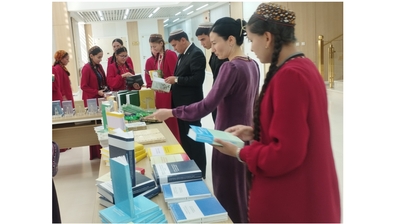
The meeting highlighted the successful implementation of training seminars for teachers in universities, secondary vocational, and primary vocational institutions in Turkmenistan using the SCAFFOLD methodology. Ms. Hemsheyer highly commended Turkmenistan's achievements in developing vocational education, noting the country's significant progress in enhancing the quality of specialist training and adapting to modern standards.
Ms. Hemsheyer proposed expanding cooperation in the following priority areas:
Centers of Excellence. In European practice, Centers of Excellence are leaders in the educational system, fostering innovation, continuously updating qualifications, and meeting labor market demands. These centers focus on developing professional skills, applying cutting-edge technologies, and strengthening international partnerships to ensure graduates are competitive and in demand globally.
Mechanisms for Skills Needs Forecasting. Establishing a system capable of predicting labor market shifts and determining future skill requirements will allow for the adaptation of curricula and qualification standards, promoting sustainable long-term development of the vocational education system.
Validation and Certification of Non-Formal Education. This initiative focuses on recognizing and certifying skills acquired outside formal education, thereby opening up more employment and professional growth opportunities.
Self-Assessment Systems for Educational Institutions. Implementing self-assessment will enable vocational institutions to conduct internal analyses and improve their educational programs, upholding high standards and fostering quality growth in education.
The Turkmen side expressed keen interest in further developing cooperation with the DARYA Project, especially in areas such as establishing Centers of Excellence, developing skills needs forecasting mechanisms, implementing systems for validating and certifying non-formal education, and applying self-assessment systems to enhance educational quality. Turkmenistan views this collaboration as essential for advancing its vocational education system and increasing its alignment with contemporary labor market requirements.
Ministry of Education of Turkmenistan