
Tajikistan is introducing artificial intelligence (AI) technology into the educational process

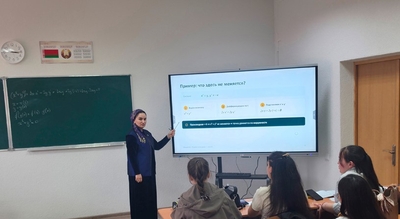
Tajikistan is introducing artificial intelligence (AI) technology into the educational process, seeking to prepare the younger generation for the challenges of the digital age. In January 2025, five more educational institutions joined the pilot project to include AI lessons in the school curriculum, which initially covered five schools in the country, with each of them having an average of 15-20 students mastering the latest technologies.
Before the launch of the project, the pilot schools tested the students’ level of knowledge in the field of digital technologies, which allowed them to adapt the program to their needs. Teachers underwent an intensive training course, mastering the key principles of AI and methods of teaching them, Asia plus reports.
The program is aimed at middle and high school students and includes the study of the basics of AI, its application in various fields, such as healthcare, science and education. Schoolchildren solve practical problems, develop critical thinking and data skills. The final stage of the course is the completion of an independent project, where students can demonstrate the knowledge and skills they have acquired.
It is planned that by 2026, AI lessons will be integrated into the school curriculum across the country. This large-scale project aims to create an artificial intelligence ecosystem accessible to every schoolchild in Tajikistan.
The initiative to introduce AI into school education not only increases the level of digital literacy of students, but also contributes to the development of the country's innovative potential, preparing young people for active participation in the global technological revolution. It is in line with the priorities of the National Strategy for AI Development, according to which advanced technologies should generate up to 5% of the country's GDP by 2040.