
Turkmenistan presents its approach to workforce training in Turin
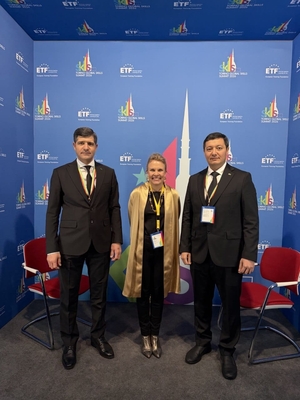
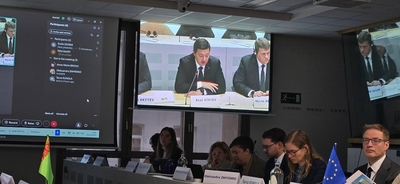
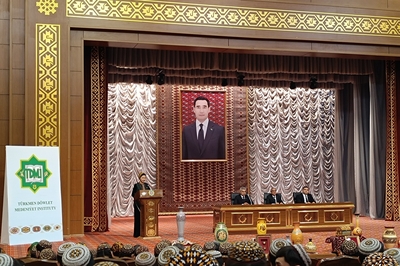
Turin, November 24, 2026. Deputy Minister of Education of Turkmenistan Azat Atayev spoke at the plenary session «From Afar and Up Close: International Perspectives on Skills» at the Torino Global Skills Summit. The summit is hosted by the European Training Foundation (ETF) — a European Union agency that helps partner countries develop their education and vocational training systems. At the event, governments, employers, and experts discuss how education keeps pace with changes in the labor market.
Turkmenistan has cooperated with the ETF for about thirty years, currently within the framework of the regional DARYA program. For the country, the summit is an opportunity to demonstrate how the objectives of the Program of the President of Turkmenistan Serdar Berdimuhamedov for the Socio-Economic Development of the Country for 2022–2028 and the Concept for the Development of the Labor Market until 2030 are being implemented, as well as to draw on European experience where needed.
The delegation of Turkmenistan presented the country's approaches to data-driven workforce training planning. The Atlas of Future Professions describes 156 professions across 11 industries. A digital employer survey identifies the demand for specialists, while a national human capital planning system—being developed by the Ministry of Education of Turkmenistan together with the UNDP—links this data to the state order for workforce training. Together with employers, more than a thousand vocational education programs have been updated. The first sector of application was transport and logistics along the Trans-Caspian Corridor.
The Turkmen side proposed building international cooperation in the field of skills around shared transport corridors— through joint occupational profiles, comparable needs assessments, and modular programs—and preserving the achievements of the DARYA program after its completion in 2027.
«Skills cannot be planned based on assumptions. When employers, educational institutions, and the state order rely on the same data, graduates acquire the professions that the economy needs. We are ready to further develop this experience together with our European partners», noted the representative of the Ministry of Education of Turkmenistan.
At a meeting with ETF Director Pilvi Torsti, the parties reviewed the implementation of the agreements reached in Ashgabat in October and agreed to prepare a joint work program for 2027–2030.
For the education system, this brings European expert support for vocational schools and educators, access to skills forecasting methodologies, and an analytical foundation for the next cycle of cooperation with the European Union.